
Returning to Designer Jay Osgerby
Clever is celebrating 10 years with another all-time favorite and some exciting updates from Jay!

From the archives, January 25, 2022: Industrial designer and founding partner of Barber Osgerby, Jay Osgerby, grew up in a small town in England, with his close-knit multi-generational family and the backdrop of his grandparents’ experiences through WWII. His childhood was filled with making things - inspired by his Swiss ancestors’ stories of watch and camera making. His parents were incredibly resourceful, whether it was opening a shop together or repurposing curtains when the local cinema closed. This pioneering spirit is something that Jay has carried with him throughout his career - from his studies at RCA where he met long-time business partner and friend, Ed Barber, to designing the 2012 Olympic Torch, to revolutionizing how people work remotely with Soft Work seating. Now, 25+ years into design, Jay reveals the triumphs and tragedies that lined his path and forged his character with candor, humor, and an unflagging optimism that burns bright and steady like the inextinguishable flame of the Olympic Torch.
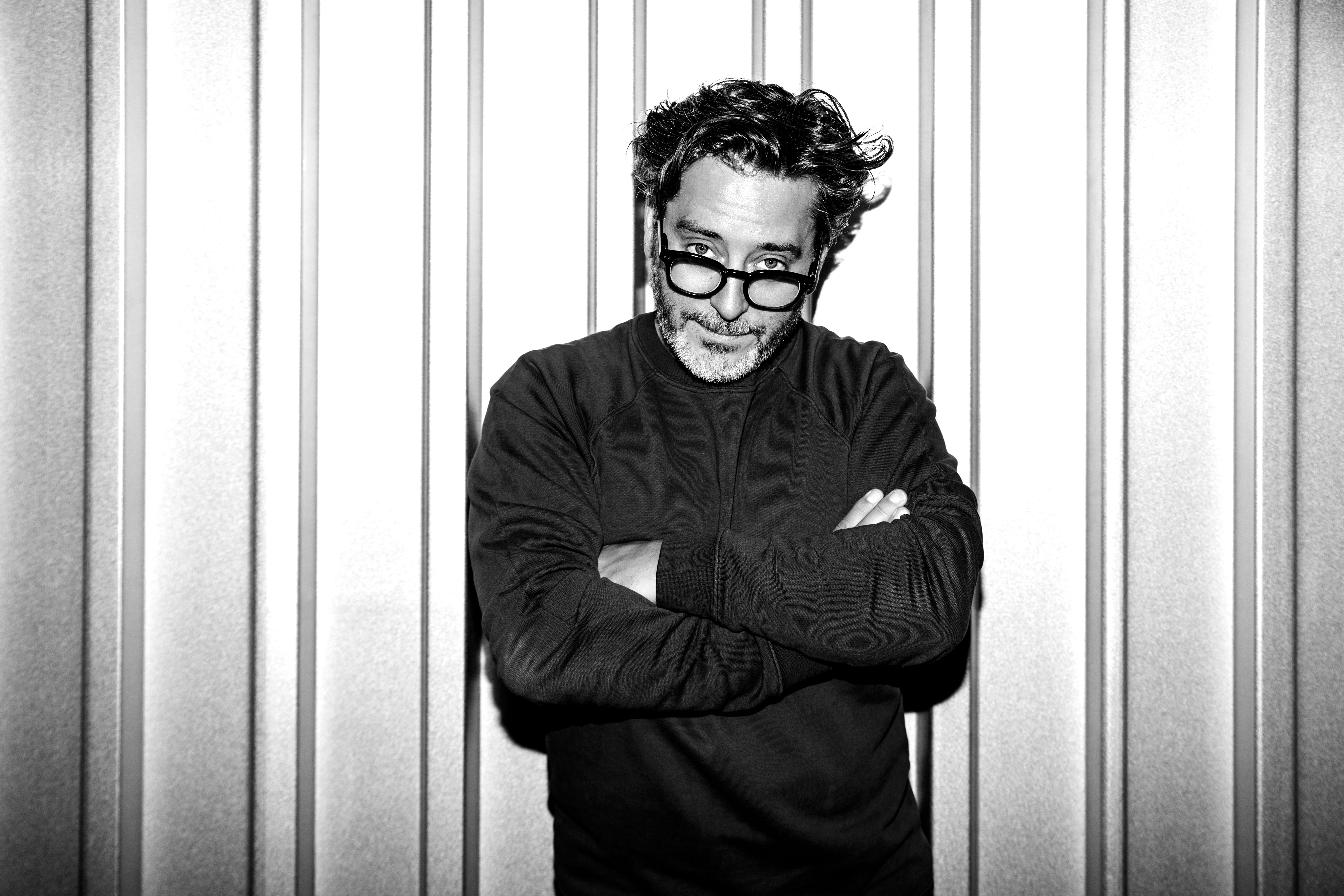
If you follow design news, you may have seen that last Wednesday, Edward Barber and Jay Osgerby announced that they are closing their studio, Barber Osgerby, after 30 years to pursue working independently. This is a seismic shift for the design world, and for each of them, obviously. What an epic run! Congratulations to the both of you, and thank you for your many, many important contributions to the built world!
Clever is fortunate enough to have interviewed both Edward Barber and Jay Osgerby - and today we’re absolutely thrilled to be revisiting Jay’s episode. An all-time favorite that feels as relevant and prescient as ever...
In light of the big news, and the re-air of his interview, we followed up with Jay to see what’s been percolating for him. In trademark sincerity and generosity, he delivered:
Since 2021, I think the biggest shift has probably been internal as much as external.
Back then, I was still very much operating inside the momentum of a thirty year partnership and studio structure. Since then, I’ve gradually started asking much bigger questions about authorship, time, meaning, and what kind of work is actually worth putting into the world.
Professionally, there have been some incredibly important milestones. Earlier this year I received an honorary doctorate from Ravensbourne University London, which felt particularly meaningful as it’s my alma mater. Teaching has also become a much bigger part of my life and thinking. I’ve lectured and taught at ECAL, ELISAVA and Rhode Island School of Design, which mostly makes me realise how frighteningly intelligent students are now.
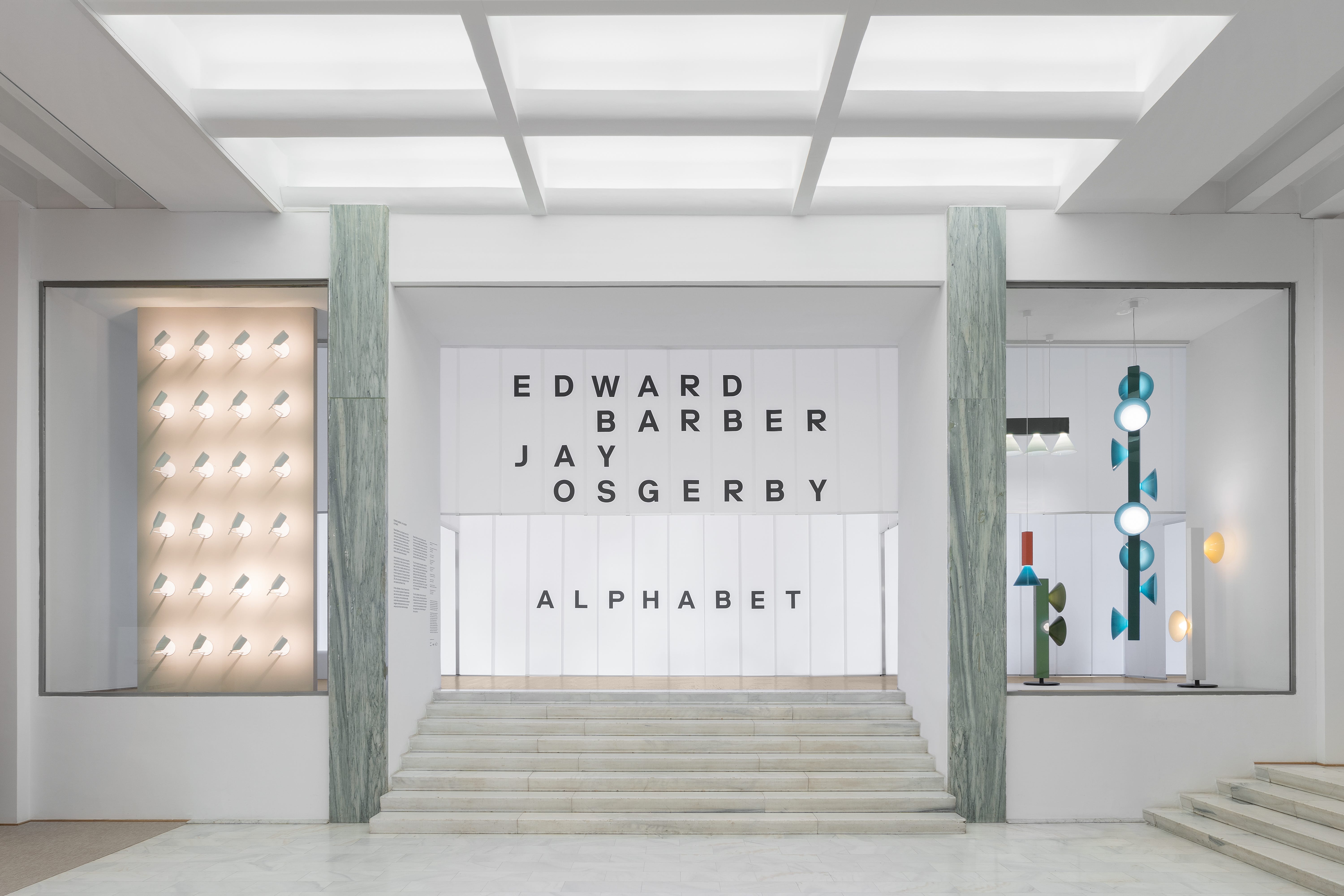
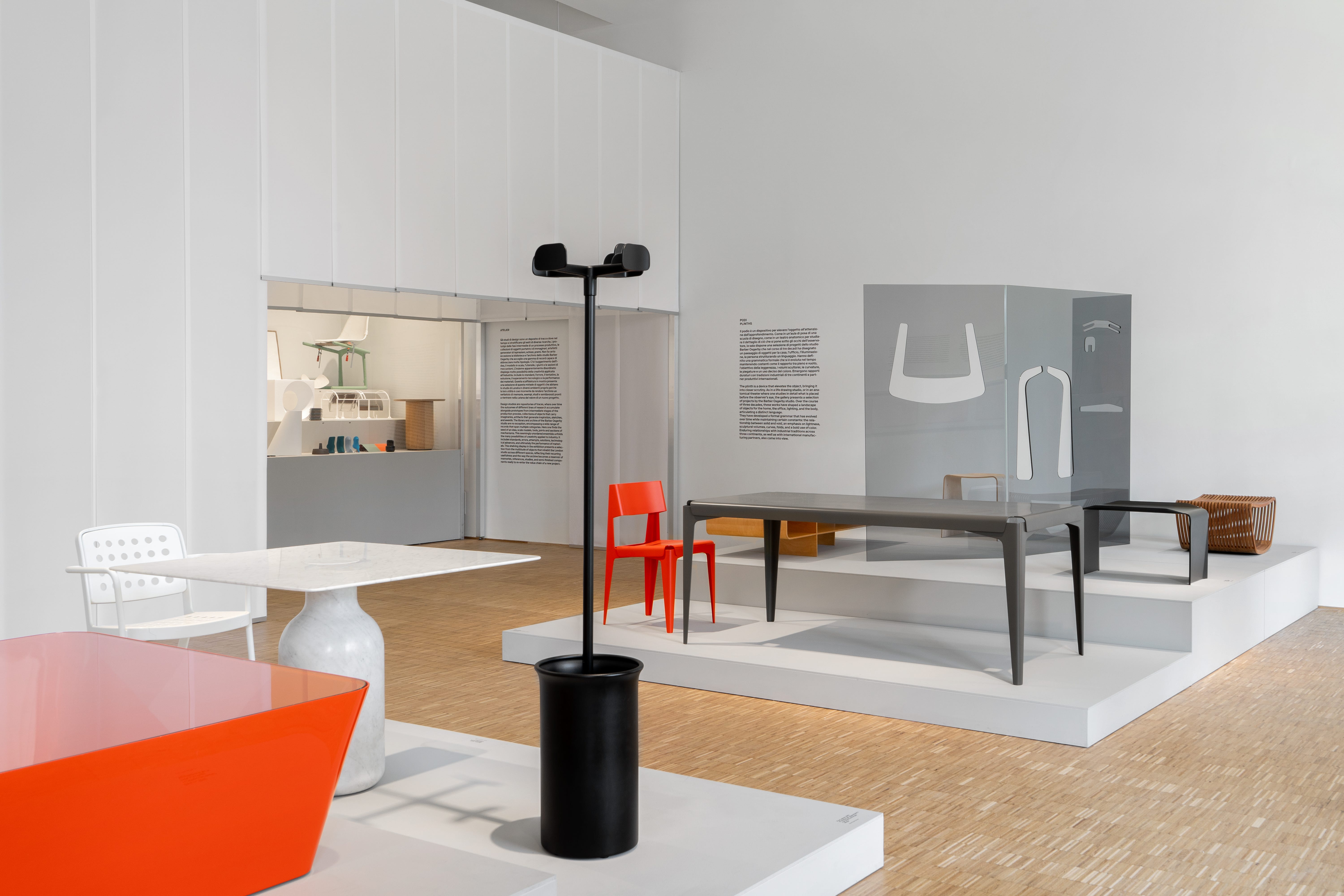
The retrospective at the Triennale di Milano this year was also hugely significant. Seeing thirty years of work brought together in one place gave me a real moment of reflection. At the same time, Ed and I made the decision to begin working independently after more than three decades together, which is obviously a major life shift.
Alongside that, I’ve started writing more seriously. Essays, notes, fragments of ideas, longer pieces. Around the exhibition in Filicudi I also started painting again, initially almost privately and without much expectation, but it’s something I’ve continued alongside the writing ever since. I think both have become ways for me to process questions around memory, permanence, colour, scarcity and why certain objects or images stay with us emotionally while others disappear almost instantly.
Creatively, it’s been a genuinely full period. Ed and I had an exhibition in Filicudi at the Studio Casoli, and we’ve continued showing new work with companies including Hermès, Flos, Kartell, Kettal and Fredericia.
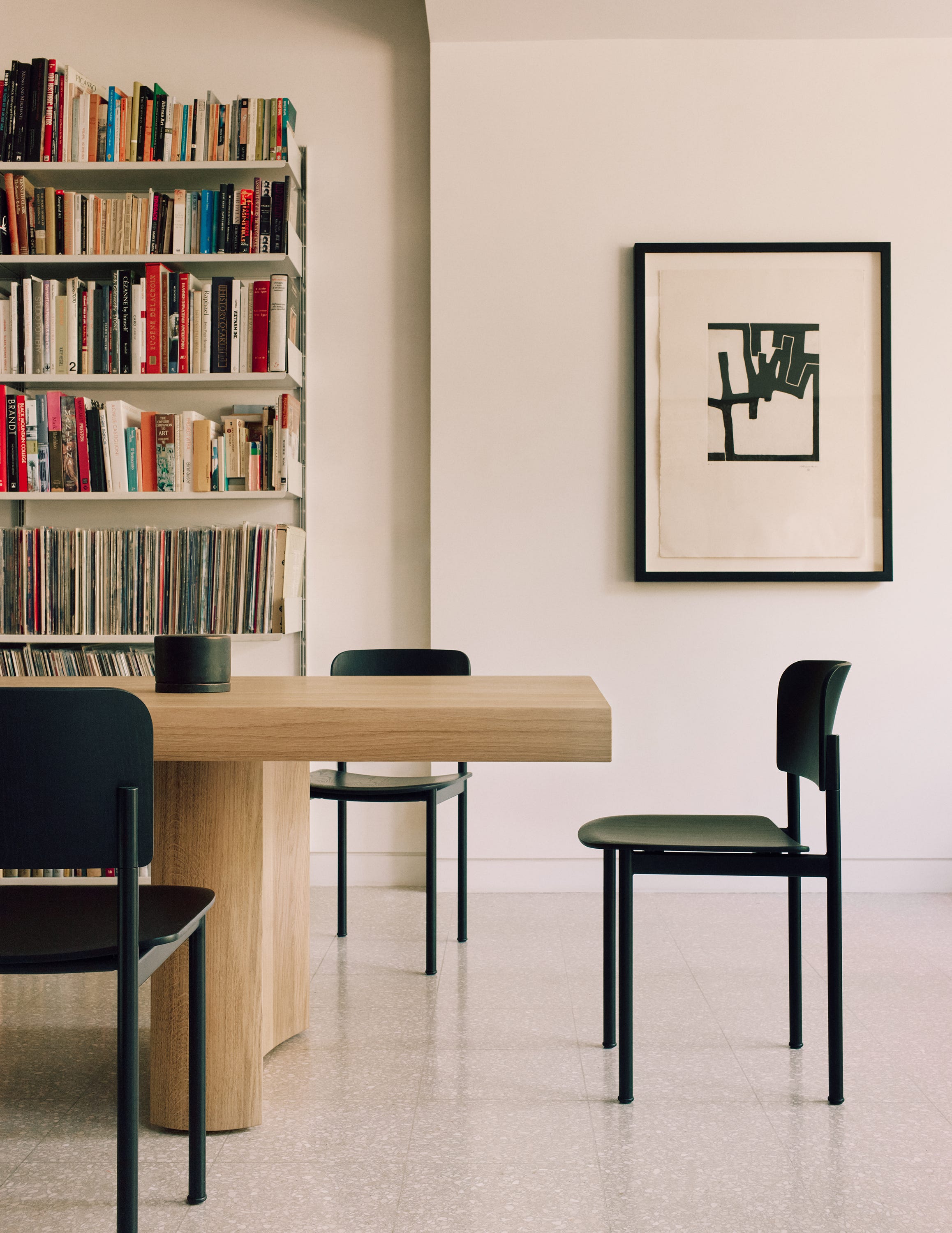
I’ve also spent a lot of time supporting MAP Project Office and Universal Design Studio, particularly around AI and quantum related projects, which has opened up some fascinating and occasionally slightly surreal conversations about technology, creativity and the future.
Personally, one of the most important things has been saving and rebuilding an old stables and cart shed in Hampshire. What began as a fairly stressful architectural rescue project slowly became something much more emotional and grounding. It’s now an incredibly peaceful place for our family and probably the happiest I’ve ever felt in a building. Though there were definitely moments during the process where it felt less peaceful dwelling, and more prolonged negotiation with mud, planners and builders.
I think overall I’ve moved from thinking purely as a designer toward thinking more broadly about culture, art, landscape, light, writing, teaching and how creative work actually sits within a life.
There’s definitely a feeling now that this next chapter is less about building a studio machine and more about building a body of work, and a way of living, that can actually coexist.
What do you remember about your conversation for Clever?
I really loved the conversation. It was wide ranging, thoughtful and genuinely thought provoking. At moments it almost felt a bit like counselling, except obviously in a very public way…!
I think it’s fascinating looking back and analysing which parts of your early life become foundational, or quietly shape the way your creative life and career develop over time. Doing the podcast gave me a chance to reflect on connections I probably hadn’t consciously made before.
I’d love to continue the conversation.
Clever’s response: Hell yes. I’d love to continue the conversation too. It’s a date. Clever listeners - stay tuned for a forthcoming follow-up interview with Jay sometime in the near future.
For now, a heartfelt cheers to you, Jay! 🥂 We wish you all the good vibes and wind in your sails as you embark on this bold and brave new adventure!
Where you can follow Jay and his work:
Jay’s Linkedin
Jay’s instagram
Jay’s website


Head to cleverpodcast.com for a transcript (with links!) of this episode, images, resources, and over 200+ more episodes!
Special thanks to our sponsor: Wix Studio
Web designers, Wix Studio lets you deliver your vision with less friction. Built for agencies and enterprises, you get total creative control over every last pixel, with no-code animations, tons of AI tools, reusable design assets, and advanced layout tools.
